

How to Calculate Retained Earnings: Formula and Example

If it ups its earnings by $14,000 and hands out $22,000 in dividends, its new retained earnings will be $95,000. This change reflects their strategic moves in handling profits and dividends. For example, a tech start-up might use retained earnings to hire more salespeople or for research. how to calculate retained earnings They skip large dividends, expecting these investments to pay off later. Retained earnings management by businesses has been revolutionized through modern accounting software like Financfy.
Example retained earnings calculation
Working capital is the value of all your assets, minus liabilities. It’s a measure of the resources your small business has at its disposal to fund day-to-day operations. Let’s say that in March, business continues roaring along, and you make another $10,000 in profit. Since you’re thinking of keeping that money for reinvestment in the business, you forego a cash dividend and decide to issue a 5% stock dividend instead.
Revenue vs. profit vs. retained earnings
Learn how to build, read, and use financial statements for your https://www.bookstime.com/ business so you can make more informed decisions. The shareholders’ equity section includes common stock, additional paid-in capital, and retained earnings. Retained earnings allow businesses to fund expensive asset purchases, add a product line, or buy a competitor.
Retained earnings calculation FAQs
Your firm’s strategy should influence how you choose to use retained earnings and cash dividend payments. For example, if your business earns $20,000 in profit after expenses and taxes and doesn’t pay dividends, that full amount becomes retained earnings. Companies reinvest retained earnings to buy equipment, expand product lines, or acquire other businesses. High retained earnings with minimal dividends suggest a focus on reinvestment. On the other hand, low retained earnings and larger dividend payouts point to a policy that favors keeping shareholders happy. Retained earnings are cumulative, which means earnings from the previous period carry over to the next.
Now your business is taking off and you’re starting to make a healthy profit which means it’s time to pay dividends. Theoretically, all the income a business generated in the defined period could be retained earnings if the company decided not to reinvest or pay dividends. So, the second step is to review the company’s income statement for either income or losses. Retained earnings—the accumulated profits kept within the business for reinvestment—are a core part of profit planning. They serve as the funding source for strategic priorities like R&D and innovation, expanding capacity, and maintaining a cash buffer to underpin long-term stability. High-growth companies that pay low dividends will likely have high retained earnings, while the inverse is typically true of mature companies.

Firm of the Future
The foundation for both growth and operation stability derives from these key financial reserves. The way companies calculate their retained earnings affects everyone involved with the business. To investors this number demonstrates how well a company generates profits and funds its future growth. Earning more profits in reserve shows that the Suspense Account company can both survive and succeed over time making investors feel secure.
- Instead of taking on high-interest loans or laying off staff, they dipped into their retained profits to cover payroll and marketing shorts.
- Every growing business needs reliable financial metrics to make informed decisions.
- It will show how choosing what to do with retained earnings and dividend payments can change the company’s worth.
- It reflects the cumulative profits that haven’t been distributed as dividends.
- When a company generates net income, it is typically recorded as a credit to the retained earnings account, increasing the balance.
- Retained earnings are the cumulative profit a company keeps within the business vs. distributing to owners, shareholders, or other stakeholders.

Following these transactions the retained earnings reached $610,000 when July 2024 ended. On the balance sheet, retained earnings appear under the “Equity” section. “Retained Earnings” appears as a line item to help you determine your total business equity. We can find the net income for the period at the end of the company’s income statement (consolidated statements of income).
How To Calculate Retained Earnings? The Definitive Guide
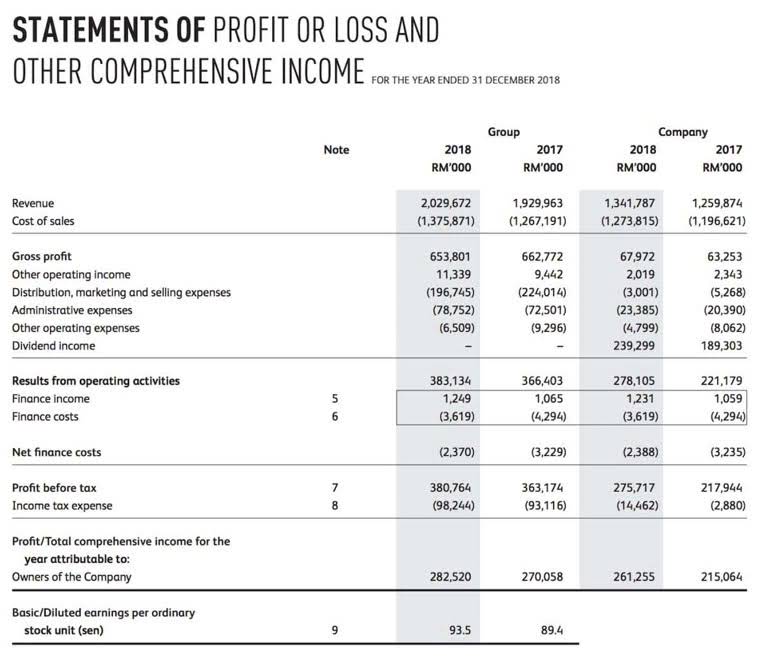
Limitations of retained earnings as a financial metric include the inability to reflect liquidity, current profitability, or operational efficiency. In a company’s lifecycle, startups and high-growth companies typically have lower retained earnings because they prioritize investing in tools, technology, and people needed to scale quickly. More mature companies with stable profits will tend to have higher retained earnings. Gross income refers to the business’ total revenues before deducting expenses, servicing debt, paying employees, and other mandatory payments. Net income is what’s left over after the business has met its obligations.
- Retained earnings are the portion of net income that a company keeps instead of paying out as dividends.
- Furthermore, retained earnings fail to provide investors insight into a company’s debt obligations.
- It’s a snapshot of how much profit the company has accumulated over time.
- In rare cases, companies include retained earnings on their income statements.
- Understanding Retained Earnings is crucial for investors and business owners alike.
- To calculate Retained Earnings, the beginning Retained Earnings balance is added to the net income or loss and then dividend payouts are subtracted.
Management and Retained Earnings
Learn about cash flow, profit and revenue and how they work together. Learn more about retained earnings and pave a path to financial growth using EntreLeadership’s 6 Profit Principles and 4 Key Practices to Create Financial Peace in Your Business. Businesses that aren’t run by commonsense, time-proven money principles are vulnerable to the whims of competitors, shifts in the economy, and every storm on the horizon.
Understanding how to find retained earnings is key to assessing a company’s financial performance. Additionally, monitoring retained earnings on the balance sheet helps evaluate a company’s long-term financial strategy and stability. Retained earnings are an essential aspect of a company’s financial health, representing the portion of net income not distributed as dividends but rather reinvested in the business. Understanding how to calculate retained earnings is crucial for business owners, investors, and stakeholders to gain insight into the company’s performance and growth potential. It complements the income statement, and you’ll find the final result recorded in the ‘equity’ section of the balance sheet. By understanding the relationship between retained earnings and financial statements, business owners and investors can gain valuable insights into a company’s financial health.